
Home › About Dr Chris Martin
About Dr Chris Martin
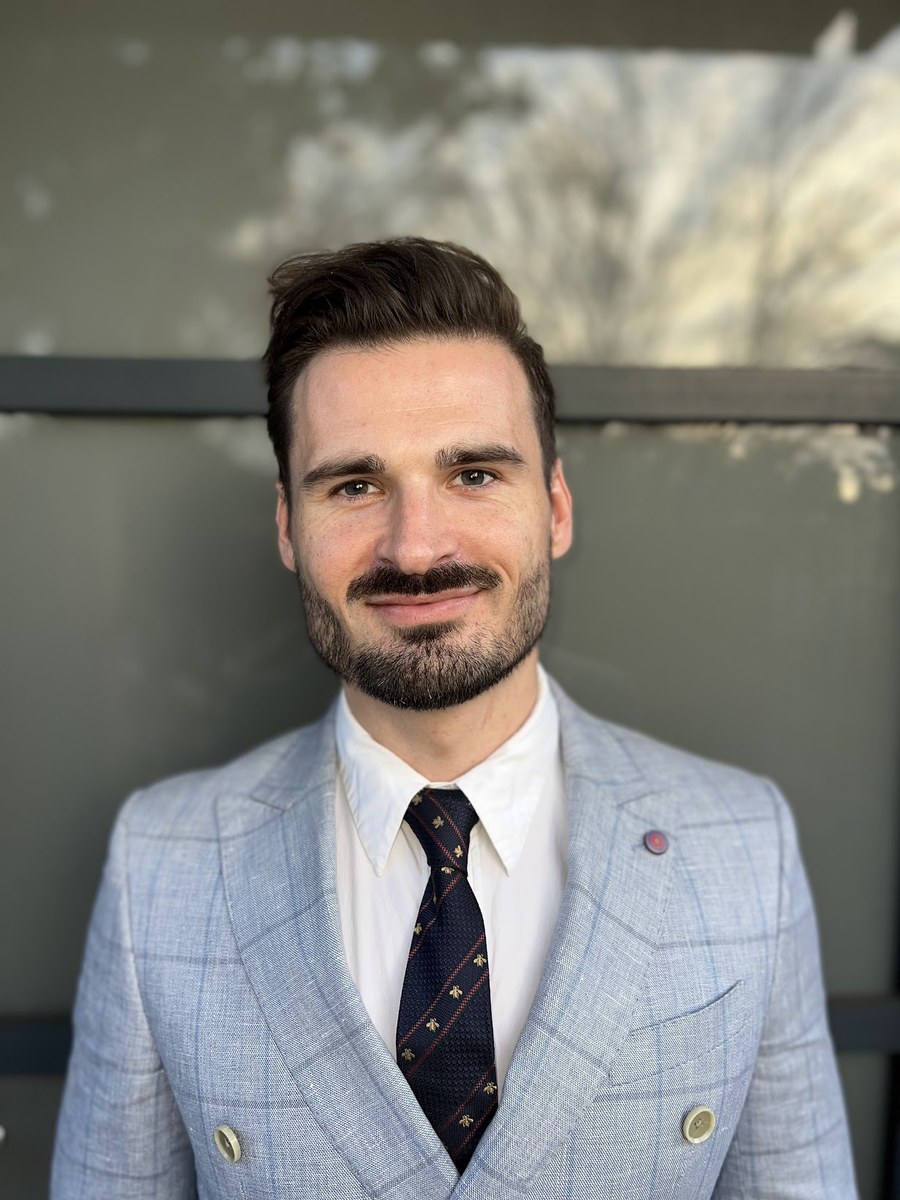
Dr Chris Martin is a Consultant Pain and Rehabilitation Physician in Perth, holding fellowships in both Pain Medicine (FFPMANZCA) and Rehabilitation Medicine (FAFRM, RACP), with further training in interventional pain procedures.
MBBS, FAFRM (RACP), FFPMANZCA
In brief
- Dr Chris Martin is a Consultant Pain and Rehabilitation Physician practising in Perth, Western Australia.
- He holds fellowships in two specialties: Pain Medicine (Faculty of Pain Medicine, ANZCA) and Rehabilitation Medicine (Australasian Faculty of Rehabilitation Medicine, RACP).
- He completed a selected interventional fellowship in minimally invasive procedural pain management.
- He holds a public consultant appointment in Pain Management at Sir Charles Gairdner / Osborne Park Hospital, where he is Supervisor of Training in Pain Medicine.
- His clinical interest is in combining procedural treatment with rehabilitation, particularly for pain associated with neurological injury.
Training and qualifications
Dr Martin grew up in Sydney. A background in sport — and the injuries that came with it — first drew his interest toward pain and rehabilitation medicine. He completed a Bachelor of Medicine and Bachelor of Surgery, followed by internship and residency at Royal Perth Hospital.
Rehabilitation Medicine
Dr Martin undertook Advanced Training in Rehabilitation Medicine with the Royal Australasian College of Physicians at the State Rehabilitation Service, gaining Fellowship of the Australasian Faculty of Rehabilitation Medicine (FAFRM). This training built particular experience in spasticity management including intramuscular injection, spinal cord injury, brain injury and other neurological conditions, and amputation-related pain including phantom limb pain.
Pain Medicine
He then completed a Fellowship in Pain Medicine under the Australian and New Zealand College of Anaesthetists, undertaken through Sir Charles Gairdner and Royal Perth Hospitals, gaining Fellowship of the Faculty of Pain Medicine (FFPMANZCA).
Interventional fellowship
Dr Martin was selected for a further interventional fellowship, developing skills in advanced, minimally invasive procedural pain management.
Why two specialties matter
Pain medicine and rehabilitation medicine answer different questions. Pain medicine asks what is generating the pain and what can reduce it. Rehabilitation medicine asks what function has been lost and how it can be rebuilt.
Holding both changes how a treatment plan is built. A procedure that reduces pain creates a window; rehabilitation is what makes use of it. Planning both together, rather than sequentially through separate referrals, is the model this practice works to.
This combination is also directly relevant to pain arising from neurological injury — spinal cord injury, brain injury, stroke-related spasticity, amputation — where the pain and the functional loss are not separable problems.
Appointments and affiliations
Public appointment
Consultant, Pain Management — Sir Charles Gairdner / Osborne Park Hospital
Teaching and training
Supervisor of Training in Pain Medicine, Sir Charles Gairdner Hospital — Western Australia's primary tertiary pain management clinic and the principal procedural training centre for pain medicine trainees in the state.
Private consulting and procedures
- Rooms — 13 Grosvenor Road, Mount Lawley
- St John of God Subiaco Hospital
- Hollywood Private Hospital
- Mount Private Hospital
- St John of God Midland Hospital
Memberships
- Fellow, Faculty of Pain Medicine, Australian and New Zealand College of Anaesthetists
- Fellow, Australasian Faculty of Rehabilitation Medicine, Royal Australasian College of Physicians
- Member, International Association for the Study of Pain (IASP)
Clinical interests
- Interventional management of spinal pain
- Neuropathic and nerve-related pain
- Spasticity management following stroke, brain injury, spinal cord injury and multiple sclerosis
- Pain following amputation, including phantom limb pain
- Persistent pain following surgery or injury
- Integrating procedural treatment with rehabilitation planning
Approach
Many people referred to a pain clinic have been unwell for a long time, have seen several clinicians, and have had the experience of being told that nothing more can be done or that the pain is not explicable. An assessment here starts from the position that persistent pain is real, that it usually has more than one contributor, and that identifying those contributors is the work of the first appointment.
Not every problem has a procedural answer, and part of the assessment is being clear about when a procedure is unlikely to help. Where a procedure is appropriate, the aim is that it forms part of a plan rather than being the plan.
Registration
Dr Chris Martin is registered as a medical practitioner with the Medical Board of Australia.
Reviewed by Dr Chris Martin, Consultant Pain and Rehabilitation Physician
Spasticity management
Alongside interventional pain medicine, Dr Martin provides spasticity management for upper and lower limb spasticity after stroke, spinal cord injury, brain injury, multiple sclerosis and other neurological conditions. His Advanced Training in rehabilitation medicine included spasticity management, spinal cord injury and brain injury; he has performed thousands of spasticity injections and has trained other medical practitioners in the technique. Holding fellowships in both pain medicine and rehabilitation medicine means spasticity, pain and function are managed together by one physician. See spasticity injections.
How to arrange an appointment
A referral from a GP or specialist is required. Referrals are accepted by Healthlink (EDI: painmdwa), fax 08 6114 0717 or email admin@painmedicinewa.com.
Enquiries: 0448 299 260 — Monday 9:00am – 4:00pm, Tuesday to Thursday 8:00am – 4:00pm.
This page provides general information only and is not a substitute for individual medical advice.
Reviewed by Dr Chris Martin, Consultant Pain and Rehabilitation Physician. Last reviewed August 2026.
In a medical emergency, call 000.